Recycling and Sustainability at Tenancy Cleaning
 At Tenancy Cleaning, sustainability is built into the way we work every day. Our recycling and sustainability approach is designed to support cleaner homes, lower waste, and more responsible service delivery across the communities we serve. We aim to make each tenancy cleaning visit as efficient as possible, while also reducing the environmental impact of materials, waste handling, and transport. A key target in our recycling programme is to divert at least 85% of recoverable waste from landfill through careful sorting, reuse where possible, and correct disposal routes.
We also focus on the practical side of waste management. During and after a tenancy clean, materials such as packaging, paper, cardboard, plastics, metal containers, and worn-out consumables are separated wherever local systems allow. In many boroughs, waste separation rules are detailed and specific, so our teams keep up with local requirements to help ensure the right items are placed in the right streams. That includes light segregation of dry mixed recycling, food waste where relevant, and residual waste that cannot be recovered.
 This borough-aware approach matters because recycling collection systems can vary from one area to another. Some local authorities encourage clear separation of glass, cans, and paper, while others use mixed recycling collections with strict contamination limits. Our tenancy cleaning service respects those differences by following local transfer and sorting guidance. It means we can support cleaner recycling outcomes and help reduce the amount of waste that is rejected due to contamination.
To keep our waste journey efficient, we work with local transfer stations that are selected for their ability to manage materials responsibly and, where possible, route them into recovery or recycling facilities. Using nearby transfer stations helps reduce travel distance, support lower emissions, and keep waste handling more practical for city-based operations. For a recycling-focused tenancy cleaning team, this local infrastructure is essential because it helps ensure collected waste is processed quickly and in line with local authority expectations.
Our sustainability commitment extends beyond waste sorting. We use a growing fleet of low-carbon vans to reduce transport emissions associated with moving equipment, supplies, and collected materials. These vehicles are chosen to improve fuel efficiency and cut carbon output, especially on repeated journeys between properties, transfer stations, and supply points. By planning routes carefully and consolidating trips, our Tenancy Cleaning sustainability programme helps reduce unnecessary mileage and supports a smaller environmental footprint.
 We also look for opportunities to reduce waste before it is created. That includes choosing reusable containers where appropriate, limiting single-use items, and managing stock carefully so cleaning products are used efficiently. Where consumables do become waste, we aim to ensure they are disposed of in the most responsible way available. In practice, this means separating recyclable packaging from general waste and encouraging a more thoughtful, low-waste workflow during every tenancy clean up.
Another important part of our recycling service is our partnerships with charities and community organisations. When suitable items are left behind during end-of-tenancy work, we assess whether they can be passed on for reuse rather than discarded. This can include donated household items, small furnishings, or usable goods that still have life left in them. Working with charities helps us support a circular approach, where items are rehomed and kept in use for longer instead of being thrown away.
These partnerships are especially valuable in boroughs where reuse and recycling are strongly encouraged by local waste strategies. Many areas now support more structured separation of bulky waste, textiles, and electrical items, and we align our processes accordingly. If an item is unsuitable for donation, we make sure it is directed to the correct recycling or disposal route. This careful handling helps us support both local reuse networks and broader waste reduction goals.
 Our staff are trained to identify what can be recycled, what can be reused, and what must be disposed of safely. That training includes attention to materials commonly encountered during tenancy cleaning in London and other urban areas, such as cardboard packaging, plastic film, bottles, metal tins, cleaning-product containers, and mixed residual waste. We also remain mindful of items that require special handling, ensuring they are removed through approved channels rather than mixed with general waste.
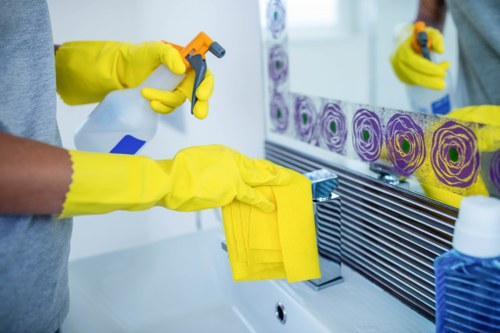 Sustainability is not treated as a separate service; it is part of the overall standard of our tenancy cleaning operations. From our recycling percentage target to our use of low-carbon vans, each decision is made with environmental responsibility in mind. We see this as a practical way to support property transitions while also supporting cleaner boroughs, better recycling outcomes, and lower emissions across our day-to-day work.
As local waste rules continue to evolve, we adapt our practices to stay aligned with borough expectations and wider recycling priorities. Whether that means observing a mixed recycling system, following stricter food-waste separation requirements, or ensuring specialist disposal for bulky items, our approach remains consistent: handle waste carefully, recycle where possible, reuse when appropriate, and minimise carbon impact wherever we can. That is the foundation of Tenancy Cleaning’s recycling and sustainability promise.