Health and Safety Policy for Tenancy Cleaning
 This tenancy cleaning policy sets out the principles and practices that help keep cleaning activities safe, controlled, and effective. It applies to all rental property cleaning tasks carried out during end-of-tenancy work, including kitchens, bathrooms, bedrooms, living spaces, and shared areas. The purpose of this policy is to reduce risk, support safe working habits, and maintain a clean environment without compromising the wellbeing of cleaners, occupants, or anyone entering the property.
All cleaning operatives are expected to work in a careful and organised manner. Before any task begins, the condition of the property should be assessed so that hazards can be identified early. This includes spotting slippery floors, broken items, exposed wiring, sharp debris, unstable furniture, or signs of damp and mould. A safe approach to tenancy cleaning always starts with awareness, planning, and the correct use of equipment.
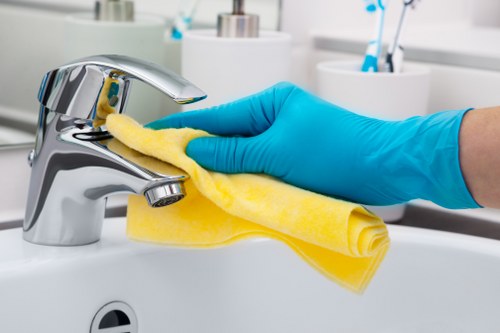 Every operative must use suitable personal protective equipment where required, such as gloves, non-slip footwear, eye protection, or respiratory protection when strong products or dust are present. PPE should be checked before use and replaced when damaged. End-of-tenancy cleaning often involves multiple surfaces and products, so correct protective measures help reduce skin contact, inhalation risks, and accidental injury.
Safe Working Practices
Cleaning products must be stored, handled, and diluted according to instructions. Chemicals should never be mixed unless the manufacturer clearly states that it is safe to do so. Harsh substances can create harmful fumes or cause burns, which is why property cleaning teams must keep products labelled and properly separated. Spillages should be cleaned immediately, and containers should always be closed after use to avoid leakage or contamination.
Manual handling is another important consideration. Lifting heavy bags, moving appliances, or shifting furniture can create strain or injury if done incorrectly. Operatives should use proper lifting techniques, ask for assistance when needed, and use equipment such as trolleys where appropriate. In tenancy deep cleaning, the goal is not only to complete the work thoroughly but also to prevent avoidable harm through safe movement and good teamwork.
 Electrical safety must also be respected at all times. Equipment should be checked for frayed cables, loose plugs, or signs of damage before it is used. Water should be kept away from sockets, live appliances, and extension leads. If a fault is discovered, the item should be taken out of service immediately. Safe rental property cleaning depends on using reliable equipment and avoiding shortcuts that could create hazards.
Hygiene, Waste, and Infection Control
Hygiene standards are central to this policy. Cloths, mops, and other reusable items should be cleaned or replaced regularly to avoid spreading dirt and bacteria from one area to another. Colour-coded tools may be used to reduce cross-contamination between bathrooms, kitchens, and general living areas. In tenancy cleaning services, good hygiene practices protect both the property and the people who use it next.
Waste must be handled responsibly and removed in a safe, orderly way. Sharp objects, broken glass, used blades, and contaminated materials should be placed in suitable containers before disposal. Bags should not be overfilled, and waste routes should be kept clear to reduce trip hazards. A cleaning policy for tenanted premises should always include proper waste management as part of everyday safety.
Where bodily fluids, mould, heavy dust, or pest contamination are present, extra precautions are required. These situations may need specialised products, increased ventilation, or additional protective equipment. Operatives should stop work and report any issue that could affect health if the task goes beyond standard expectations. In move-out cleaning, safety and controlled practice must take priority over speed.
Ventilation should be maintained whenever products are in use or dust is being disturbed. Opening windows and doors where safe to do so can help reduce fumes and improve air quality. If a space is poorly ventilated, cleaners may need to take more frequent breaks or use alternative methods. Tenancy cleaning policy standards should always support a healthy working environment.
Fire safety must not be overlooked. Flammable liquids should be stored away from heat sources, and smoking or open flames should never be permitted near cleaning chemicals or waste. Equipment that heats up, such as steam cleaners or dryers, should be used only in line with instructions and monitored while operating. A sensible property cleaning routine includes awareness of ignition risks and emergency exit routes.
Training and supervision are essential for maintaining consistent standards. All staff should understand risk awareness, safe product use, equipment handling, and incident reporting. New workers should not carry out unfamiliar tasks without guidance. End-of-tenancy cleaning policy requirements are strongest when every team member understands how to work safely and what to do if something goes wrong.
 If an accident, near miss, or unsafe condition occurs, it should be reported promptly and recorded in line with internal procedures. First aid support should be available where required, and emergency services contacted if the situation is serious. Clear reporting helps improve future practice and strengthens the overall health and safety policy for tenancy cleaning.
Visitors, clients, and other occupants should be kept away from active work areas whenever possible. Warning signs or verbal instructions may be used to prevent slips, contact with wet surfaces, or accidental exposure to products. Maintaining boundaries during rental property cleaning helps reduce confusion and keeps everyone safer while tasks are underway.
 This policy should be reviewed regularly to ensure it remains practical, effective, and aligned with current working methods. Any updates to equipment, products, or procedures should be reflected in the approach to tenancy cleaning. By applying careful planning, safe handling, good hygiene, and strong awareness, cleaning work can be completed responsibly and with respect for health and safety at every stage.