Facade Cleaning in London: Keeping Buildings Looking Their Best
Facade cleaning in London is more than a cosmetic upgrade. It is a practical service that helps protect buildings, preserve value, improve first impressions, and support long-term maintenance. In a city known for its historic architecture, modern commercial towers, busy roads, and changing weather, exterior surfaces face constant exposure to dirt, pollution, algae, soot, bird droppings, and general grime. Over time, these contaminants can make a property look tired and neglected, even when the structure itself is sound.
Whether you manage a residential block, a retail unit, an office building, or a listed property, facade cleaning in London can play an important role in maintaining the building’s appearance and performance. The right cleaning approach can remove stubborn stains, brighten exterior surfaces, and help prevent damage caused by built-up dirt and pollutants. For property owners and managers, it is often one of the most effective ways to protect an investment while creating a cleaner, safer environment.
In this article, we explore the value of facade cleaning in London, the methods used, the surfaces involved, the safety considerations, and the reasons businesses and property owners choose professional exterior cleaning services. If you are looking for a practical way to improve your building’s appearance and condition, facade cleaning is a service worth understanding in detail.
Why Facade Cleaning Matters in a City Like London
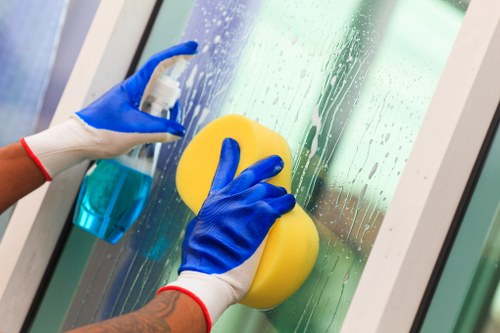
London buildings deal with a unique combination of environmental and urban challenges. Traffic pollution, construction dust, weather conditions, airborne particles, and high footfall all contribute to the gradual build-up of dirt on exterior walls. This is especially noticeable on stone, brick, render, cladding, glass, and metal surfaces. Facade cleaning in London helps remove these contaminants before they become embedded or begin to affect the material beneath.
The capital’s climate also plays a role. Rain, wind, frost, and damp conditions can leave marks on the outside of a building. Moss, algae, mildew, and lichen may develop in shaded or moisture-prone areas. Regular facade cleaning reduces this buildup and helps keep surfaces looking fresh. It can also prevent staining from becoming more difficult and expensive to remove later.
First impressions matter in commercial and residential settings alike. A clean facade sends a strong message that the property is cared for and professionally maintained. For businesses, this can influence customer perception. For landlords, it can improve tenant satisfaction. For homeowners or residents’ associations, it can increase pride in the property and support long-term value.
Common Surfaces Requiring Facade Cleaning
Different materials need different approaches

One of the most important things to understand about facade cleaning in London is that exterior surfaces are not all the same. Each material reacts differently to cleaning products, pressure, moisture, and brushing techniques. A safe and effective service starts with identifying the building material and selecting the right method for the task.
Some of the most common surfaces that benefit from facade cleaning include brickwork, natural stone, render, glass, aluminium cladding, uPVC panels, and metal facades. Older buildings may require a gentler process to avoid damaging delicate surfaces, while modern structures often need specialist treatment to remove pollution marks and streaking.
In many parts of London, buildings combine several materials on one exterior. This is common in office blocks, apartment buildings, hotels, schools, and retail properties. A professional facade cleaning service will often assess each section individually so that every surface receives the correct treatment without risk of damage.
Examples of exterior surfaces commonly cleaned
- Brick and masonry walls
- Sandstone and limestone
- Painted render
- Glass curtain walling
- Aluminium and composite cladding
- Decorative stone features
- Balconies, soffits, and external trims
How Facade Cleaning in London Works
Assessment, method selection, and safe execution
Facade cleaning in London usually begins with a site assessment. This step is essential because it helps determine the level of soiling, the type of material, the height of the building, the accessibility of the area, and any special concerns such as fragile surfaces or nearby pedestrians. From there, the cleaning team can choose the most suitable technique.
Methods vary widely depending on the property. Some facades respond well to soft washing, which uses low pressure and specialist detergents. Others may require pressure washing, steam cleaning, chemical treatment, pure water cleaning, or manual agitation with brushes and cloths. For taller structures, access equipment such as cherry pickers, cradles, or rope access systems may be needed.
The best facade cleaning services in London always focus on safety and effectiveness. They will consider the weather, the condition of the building, the age of the material, and the risk of runoff or overspray. Good planning helps ensure that cleaning is thorough without compromising the integrity of the structure or disturbing the surrounding area.
Typical stages in the process
- Initial inspection of the exterior
- Identification of stains, pollutants, and surface type
- Selection of the right cleaning method
- Protection of nearby windows, plants, and fixtures
- Application of cleaning solution or treatment
- Careful removal of dirt and residue
- Final rinse, check, and quality review
Popular Facade Cleaning Methods Used Across London

Because London properties vary so much in age, height, and materials, facade cleaning often requires a tailored approach. The right method depends on the objective: removing pollution staining, brightening stone, washing cladding, or restoring the appearance of glass and metal panels. A one-size-fits-all approach is rarely ideal.
Soft washing is one of the most widely used methods for many exterior surfaces. It combines low-pressure water with cleaning solutions designed to break down grime without harsh abrasion. This is especially useful for render, painted surfaces, and more delicate materials. Soft washing is popular because it helps protect surfaces while still delivering a visible improvement.
Pressure washing can be effective on harder surfaces such as certain brickwork and paving-related exterior features, but it must be used carefully. Too much pressure can damage mortar, dislodge surface material, or force water into the building envelope. That is why professional judgement matters so much in facade cleaning in London.
Other cleaning methods may include:
- Steam cleaning for deep but gentle restoration
- Pure water cleaning for glass and frames
- Biocide treatment for algae and organic growth
- Specialist cladding cleaning for modern commercial buildings
- Manual spot treatment for stubborn stains
Some stains, such as rust, paint transfer, oil marks, or carbon deposits, may require a specialist chemical approach. These treatments should always be handled by trained professionals who understand how to minimise risk while achieving the desired result.
Benefits of Professional Facade Cleaning
Appearance, protection, and property value

There are many reasons why property owners choose facade cleaning in London. The most obvious is appearance. A clean exterior instantly improves the visual impact of a building and makes it look more cared for. This matters whether the building is used for business, living, hospitality, education, or public service.
But the benefits go far beyond looks. Dirt and pollution can become deeply embedded in porous materials, causing staining that becomes harder to reverse over time. Regular facade cleaning helps prevent this deterioration and reduces the likelihood of long-term surface damage. In some cases, cleaning can also reveal hidden maintenance issues such as cracks, loose joints, or damaged sealant.
For commercial properties, a freshly cleaned facade can support brand image and customer confidence. For residential buildings, it can increase pride of place and create a more pleasant environment for occupants and visitors. In a competitive property market like London, exterior presentation can influence how a building is perceived, valued, and occupied.
Key advantages include
- Improved curb appeal
- Reduced buildup of dirt and pollutants
- Longer life for exterior materials
- Better protection against staining
- Enhanced property value and presentation
- Safer identification of maintenance issues
Facade Cleaning for Commercial Properties
Commercial facade cleaning in London is especially important because businesses rely on presentation. Office buildings, retail units, hotels, restaurants, and public-facing properties all benefit from a well-maintained exterior. Customers and clients often make judgments before they even step inside. A clean, professional-looking building can support trust and confidence from the first glance.
For multi-storey commercial premises, facade cleaning often involves detailed planning around access, business hours, and public safety. Work may need to be scheduled outside peak traffic times or coordinated to avoid disrupting staff, customers, or neighbouring businesses. This is one reason why experienced contractors are often preferred for larger jobs.
Commercial landlords and facilities managers also appreciate the long-term maintenance benefits. Regular exterior cleaning can help preserve expensive cladding systems, glass panels, and architectural features. When managed as part of a wider maintenance plan, facade cleaning becomes a smart preventative measure rather than a reactive fix.
Commercial sectors that commonly use facade cleaning
- Corporate offices
- Retail and shopping units
- Hotels and serviced apartments
- Restaurants and leisure venues
- Education buildings
- Healthcare facilities
- Public sector and civic properties
Residential Facade Cleaning in London
Supporting blocks, apartments, and private homes

Facade cleaning in London is not just for commercial properties. Residential buildings also benefit greatly from regular exterior cleaning. Apartment blocks, housing associations, private homes, and managed developments all face the same urban conditions that lead to grime, discolouration, and biological growth.
For residents, a clean facade can make an enormous difference to the atmosphere of the building. It improves the look of communal areas, supports property maintenance, and can even help residents feel more comfortable and proud of where they live. In some cases, regular facade cleaning also helps reduce the spread of organic growth on damp or shaded external walls.
London’s residential areas include everything from modern apartment developments to Victorian terraces and converted townhouses. Each type of building requires a different cleaning approach. Older homes may need gentler methods to protect original brickwork or stone detailing, while newer developments may benefit from specialist cladding or render cleaning.
Why residents’ associations and property managers schedule cleaning
- To improve the look of communal buildings
- To maintain property standards
- To support long-term asset value
- To keep external surfaces in better condition
- To reduce stains from pollution and weather
Safety and Compliance in Facade Cleaning
Safety is a major consideration in facade cleaning in London, especially when the work is carried out on tall buildings, near busy pavements, or around fragile materials. Professional cleaners are expected to follow strict procedures to protect workers, occupants, passers-by, and the building itself. That includes risk assessments, method statements, and suitable equipment for access and fall prevention.
Accessing high or awkward areas may involve rope access, platform lifts, scaffolding, or specialist cleaning rigs. The chosen method depends on the building’s height, layout, and surroundings. Good contractors also take care to protect surfaces, control waste water, and avoid contamination of nearby landscaping or water systems.
Insurance, training, and compliance are important indicators of a reliable service. A qualified team should understand the materials they are working on and the regulations that apply to working at height and using cleaning chemicals. This reduces risk and helps ensure the facade is cleaned effectively and responsibly.
Important safety considerations
- Working at height procedures
- Public safety and site cordoning
- Chemical handling and dilution
- Water runoff management
- Protection of windows, signage, and fixtures
- Weather monitoring before and during work
How Often Should Facade Cleaning Be Done?
The ideal frequency for facade cleaning in London depends on the building’s location, usage, and material. Properties in high-traffic areas, close to roads, or near construction zones may need more frequent cleaning due to heavier pollution and dust. Buildings in sheltered or less exposed locations may require less regular attention.
For many commercial properties, exterior cleaning is scheduled annually or biannually. Residential developments may follow a similar pattern, although some facades may need more frequent spot cleaning or treatment if organic growth is a recurring issue. The best schedule is usually based on visual inspections and the property’s maintenance priorities.
Rather than waiting until the exterior looks badly stained, it is often smarter to plan regular facade cleaning as part of an ongoing maintenance cycle. This makes the service easier to manage, helps control costs, and prevents severe soiling from becoming entrenched. Prevention is generally cheaper than restoration, especially on porous or decorative surfaces.
Factors that affect cleaning frequency
- Proximity to main roads
- Level of air pollution
- Type of building material
- Shade, dampness, and biological growth
- Building height and exposure
- Use of the property
Choosing the Right Facade Cleaning Service in London
Not all exterior cleaning services are the same, so choosing the right provider matters. A specialist in facade cleaning in London should be able to assess the building properly, recommend the best technique, and explain how the work will be carried out safely. Experience with a wide range of materials is especially valuable in a city with such diverse architecture.
It is sensible to look for a company that understands both modern commercial facades and traditional masonry. Some providers may focus mainly on high-pressure cleaning, while others specialise in delicate conservation work. The right match depends on the property. A building with historic stonework needs a very different approach from a contemporary glass and aluminium office block.
Professionalism, clear planning, and material knowledge are the qualities that matter most. When these are in place, the result is usually better, safer, and longer lasting. If you are comparing options, ask whether the team offers site inspections, method statements, access planning, and tailored cleaning solutions.
Useful things to look for
- Experience with your building type
- Understanding of different facade materials
- Safe working-at-height practices
- Appropriate insurance and training
- Transparent methods and scheduling
- Attention to detail and aftercare
Environmental Considerations and Modern Cleaning Practices
Environmental responsibility is becoming increasingly important in facade cleaning in London. Many property owners now want services that are effective but also mindful of water use, chemical selection, and runoff management. This is especially relevant in a city where buildings are close together and public spaces must be protected.
Modern cleaning methods often aim to use the least aggressive process necessary to achieve the best result. That may mean using biodegradable detergents, controlled low-pressure systems, or pure water methods that reduce the need for chemicals. In some cases, steam or targeted manual cleaning can deliver strong results while limiting environmental impact.
Choosing the right method also helps reduce waste. If the surface is cleaned correctly and maintained regularly, there is less need for heavy-duty treatments later. This means better outcomes for the building and a more efficient use of resources over time.
Environmental benefits of sensible facade maintenance
- Reduced need for harsh chemical treatments
- Lower water waste through controlled application
- Less material wear and replacement
- Longer intervals between intensive restorations
- Improved sustainability of building care
Facade Cleaning and Long-Term Building Care
Facade cleaning in London should be viewed as part of a broader maintenance strategy. Exterior surfaces are constantly exposed to the elements, and their condition can reveal a lot about the overall health of a building. Regular cleaning helps preserve the appearance of the property while also supporting inspections, repairs, and general upkeep.
When dirt is removed from a facade, issues that were previously hidden may become visible. This is useful because it allows maintenance teams to identify areas needing attention sooner. Cracks, missing mortar, failed sealant, rust, and water ingress may all become easier to spot after the surface has been cleaned.
That is why many property managers treat facade cleaning as a practical preventative service rather than a one-time appearance upgrade. It supports the building’s life cycle, reduces the chance of progressive damage, and contributes to a more organised approach to exterior maintenance. Keeping a facade clean is often the first step in keeping it healthy.
Frequently Seen Problems Facade Cleaning Can Help Solve
Exterior surfaces in London often show specific kinds of staining and deterioration. Some are related to pollution, while others are caused by moisture, weather, or biological growth. Facade cleaning in London can address many of these issues before they become long-term problems.
Common examples include black streaking on render, green algae on shaded walls, soot marks on stone, water staining under ledges, and grime around window frames. Bird droppings, graffiti, and construction dust are also frequent concerns in urban areas. The right cleaning method can often remove or significantly reduce these marks.
In some cases, the facade cleaning process may need to be combined with stain-specific treatment. This is especially true for rust, paint, chewing gum residue, or deeply embedded carbon deposits. A professional approach helps ensure that the solution matches the problem rather than relying on a single technique for everything.
Examples of issues often treated during facade cleaning
- Pollution staining
- Algae and moss growth
- Bird mess and organic residue
- Black or green discolouration
- Graffiti and surface marks
- General weathering and grime
Why Facade Cleaning in London Is a Smart Investment
Property owners often delay exterior cleaning because the building still functions normally, even if it looks dirty. But this can be short-sighted. Facade cleaning in London is a relatively small investment compared with the cost of repairing damaged surfaces or restoring heavily neglected materials. In many cases, routine cleaning can extend the lifespan of the exterior and reduce the need for major remedial work.
There is also a strong commercial case. A well-maintained facade can help attract tenants, customers, and visitors. It can support rental value, improve brand image, and make a building stand out in a crowded market. For residential properties, it can improve resident satisfaction and reinforce the sense that the building is being properly cared for.
If you want your property to look cleaner, last longer, and present itself better to the public, facade cleaning is a practical and worthwhile decision. Book your service now to restore your exterior and keep your building looking its best. If you are planning regular maintenance, contact us today to take the next step toward a cleaner, more professional-looking property.