Stain removal methods tenants can use without risking deposits
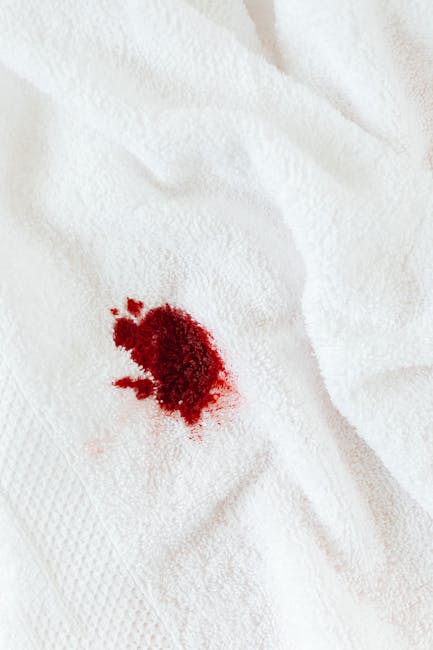
Spilled coffee on a cream carpet? Tomato sauce on the hob splashback? A few marks on a rented property can feel minor in the moment, then suddenly very expensive at check-out. The good news is that many stain removal methods tenants can use without risking deposits are simple, safe, and far less dramatic than people fear. The trick is not to attack the stain harder, but to treat it smarter.
This guide walks you through practical stain removal for tenants, with a focus on protecting surfaces, avoiding damage, and staying on the right side of your inventory report. You will learn what works, what can backfire, and when to stop and call in help. To be fair, that little bit of caution is often what saves the deposit.
Why stain removal methods tenants can use without risking deposits Matters
Deposits are often where a tenancy gets emotional. The property looked fine to you, but the check-out inspection notices a mark on the carpet, a ring on the table, or a patch of grease on the oven door. Suddenly the conversation is about cleaning standards, wear and tear, and whether the stain was there before you moved in.
Using the wrong method can turn a small stain into damage. Bleach can lighten fabric unevenly. Scrubbing can rough up carpet fibres. Too much water can spread a mark or leave a damp smell behind. And once a stain is enlarged, set, or chemically altered, it can be a lot harder to argue that it was just a bit of everyday living.
That is why tenant-safe stain removal is not just about cleanliness. It is about evidence, restraint, and knowing the limits of DIY cleaning. If you keep the process gentle and documented, you are far more likely to leave the home in a condition that feels fair, clean, and deposit-friendly.
Practical truth: the best stain removal is usually the least aggressive method that still gets the job done.
How stain removal methods tenants can use without risking deposits Works
Safe stain removal works on a simple principle: identify the stain, choose the mildest suitable cleaner, test it discreetly, and work from the outside in. That approach reduces the chance of spreading the mark or damaging the material underneath.
Different stains behave differently. Water-based marks, like tea or squash, are usually easier to lift than oily ones. Protein-based stains, such as milk or food residue, need care because heat can make them bind to fibres. Ink, dye transfer, makeup, and red wine can be stubborn and may require patience rather than force. The surface matters too. A carpet is not the same as laminate. Upholstery is not the same as a kitchen tile.
If you are renting, the safest routine is to think in layers:
- First layer: blot and remove excess material.
- Second layer: use a mild, suitable cleaner.
- Third layer: rinse or wipe lightly so no residue remains.
- Fourth layer: dry properly, because moisture can create its own problem.
That method sounds almost too simple, but it is exactly why it works. You are lowering risk at every step instead of gambling on a miracle product. If the stain is on carpet or fabric and you are unsure, a professional approach such as carpet cleaning or upholstery cleaning may be the safer call.
Key Benefits and Practical Advantages
One of the biggest advantages of careful stain removal is obvious: you reduce the chance of deposit deductions. But there is a bit more going on than that.
- You avoid accidental damage. Harsh chemicals and rough scrubbing can make a stain look worse or leave a faded patch behind.
- You protect the inventory record. If the property is checked against the move-in report, a well-handled stain is easier to show as cleaned rather than neglected.
- You save money. A GBP3 bottle of mild cleaner is a lot kinder than paying for a replacement item because the stain was spread or burned in.
- You reduce stress before moving day. Nobody wants to be doing panic cleaning with boxes stacked in the hall and the van waiting outside.
- You create a better impression. Even where a stain cannot be removed entirely, a neat, careful attempt often looks far better than a half-finished scrub job.
There is also a practical benefit that gets overlooked: good stain removal helps you spot which items are worth keeping and which ones may need professional help. That can save you from wasting time on a sofa cushion that really needs specialist treatment, not another round of hopeful dabbing.
Who This Is For and When It Makes Sense
This guide is for tenants who want to tidy up marks without creating new problems. It is especially useful if you are:
- near the end of a tenancy and getting ready for check-out
- dealing with fresh spills on carpets, rugs, sofas, or mattresses
- trying to clean kitchen splashes, bathroom marks, or wall spots safely
- working within a strict inventory or letting agent checklist
- trying to decide whether DIY cleaning is enough, or whether to book help
It also makes sense for tenants who are halfway through a tenancy and simply want to stay on top of things. A small coffee stain cleaned properly on day one is much easier to manage than a mystery mark left for three months. Funny how that happens, isn't it?
If the stain is old, set-in, or on a delicate material, it is usually worth being more cautious. That does not mean you have failed. It just means the safe move may be less about scrubbing and more about choosing the right next step. For broader property cleaning, some people also book a deep cleaning service or a one-off cleaning visit before the inspection.
Step-by-Step Guidance
Here is a tenant-safe process that works for many common household stains. Keep it calm. Keep it light. No heroic scrubbing needed.
1. Act quickly, but do not rush
The earlier you treat a stain, the better your chances. Fresh spills are usually easier to lift than dried ones. That said, rushing in with the wrong product can do more harm than waiting five careful minutes to think.
2. Blot, do not rub
Use a clean cloth or paper towel to blot up as much of the spill as possible. Start from the outside edge and move inward. Rubbing pushes the stain deeper into fibres and can spread the mess wider. It is one of those annoyingly simple rules that saves a lot of pain later.
3. Identify the surface
Ask yourself what you are cleaning:
- Carpet or rug? Use very little moisture and test first.
- Upholstery or sofa fabric? Check if the fabric is water-safe.
- Hard floor? Use a pH-neutral cleaner where possible.
- Oven or kitchen surface? Avoid abrasive pads on coated finishes.
4. Test in a hidden spot
Before using any cleaner, test it somewhere discreet, such as under a sofa cushion, behind a kickboard, or along a seam. Wait for a minute or two and check for colour change, residue, or texture damage.
5. Use a mild cleaner
For many common marks, warm water with a tiny amount of washing-up liquid is enough. For greasy marks, a little gentle degreaser may help, provided the surface allows it. For mineral marks or limescale in kitchens and bathrooms, use a product suitable for the material and avoid anything that could etch the finish.
6. Work gently and in stages
Apply a small amount of solution to the cloth, not directly to the stain if you can help it. Dab lightly. Let it sit for a short period if needed. Repeat rather than overdoing it. Patience matters more than elbow grease here.
7. Rinse or wipe away residue
Leftover cleaner can attract dirt, leave rings, or make the area look dull. Wipe with a clean damp cloth if the material allows, then follow with a dry cloth.
8. Dry thoroughly
Open a window, use a fan, or let the area air-dry naturally. Damp patches in carpet or fabric can smell musty by the next morning, and nobody wants that on moving day.
9. Reassess before repeating
If the stain remains after one or two gentle attempts, stop and reassess. Repeating a mild process is safer than escalating to something strong and risky. Sometimes the stain is not just dirty; it has changed the material itself.
Expert Tips for Better Results
These are the small details that make a real difference. They are not glamorous, but they work.
- Use white cloths instead of coloured ones. Dyed cloths can transfer colour, especially on damp fabric.
- Keep a clean towel under the treated area if possible. This helps catch moisture and prevents seep-through.
- Treat the edges first if a stain has spread. It stops the mark blooming outward into a bigger halo.
- Be extra careful with bleach. It is often the first thing people reach for, and often the one that causes the most regret.
- Check the tenancy agreement and inventory wording. If professional cleaning is required for certain items, that matters more than guesswork.
- Use low-moisture methods for wool and upholstery. These materials can hold water and distort if over-wet.
A practical tip from real-world end-of-tenancy work: always keep a little note of what you used and when. It sounds a bit fussy, I know. But if there is a question later, that record can help show you treated the issue carefully.
If your moving-out clean is becoming a bigger job than expected, it may help to look at end of tenancy cleaning as a complete option rather than tackling every stain individually.
Common Mistakes to Avoid
The biggest mistakes are usually born from good intentions. People want the mark gone now, so they go harder, hotter, or stronger than the material can handle.
- Scrubbing aggressively. This can damage carpet pile, lift fabric texture, or create shiny spots on upholstery.
- Using too much water. Excess moisture can spread the stain, damage underlay, or leave odours behind.
- Applying strong chemicals first. Bleach, ammonia, and other harsh cleaners can discolour surfaces and create fumes.
- Ignoring care labels. If a sofa cover says dry clean only or spot clean only, that matters.
- Not drying properly. A stain that seems gone can still leave a damp ring if you rush the finish.
- Trying multiple products together. Mixing cleaners is unsafe and can react badly. Not worth it, not even close.
Another common slip is cleaning only the stain and forgetting the surrounding area. On carpets and fabric, that can leave a cleaner patch surrounded by dust or traffic marks, which makes the spot stand out even more. Sometimes the fix needs a little blending, not just stain removal.
Tools, Resources and Recommendations
You do not need a cupboard full of specialist products. In most rented homes, a small, sensible kit is enough:
- microfibre cloths
- white paper towels
- a small bowl for diluted cleaner
- mild washing-up liquid
- a soft brush for gentle lifting, not scrubbing
- clean warm water
- dry towels for absorbing moisture
- rubber gloves if you have sensitive skin
For larger or more awkward problems, it can be useful to compare the type of cleaning needed. For example, carpet marks may benefit from specialist treatment, while a dirty oven door usually needs a different approach entirely. In kitchen-heavy properties, an oven cleaning service can be more efficient than spending hours with a sponge and a prayer.
Similarly, if the issue is a stained cushion, armrest, or dining chair, sofa cleaning or upholstery care may protect the fabric better than a DIY spot treatment. And for hard surfaces, hard floor cleaning may be the safer route when marks have settled into grout, finish, or textured flooring.
If you are comparing professional support, a trustworthy cleaning company should be transparent about what it can and cannot remove, rather than promising miracles. That honesty is usually a good sign.
Law, Compliance, Standards, or Best Practice
In the UK, the practical issue is usually less about a specific stain-removal law and more about tenancy expectations, property condition, and what the inventory shows at check-in and check-out. Your tenancy agreement, the condition report, and ordinary cleaning standards all matter.
As a tenant, you are generally expected to return the property in the same condition as when you moved in, allowing for fair wear and tear. That phrase gets used a lot, and for good reason: it is the line between reasonable living and avoidable damage. A cup ring on a table may be cleaned away. A bleach mark on a carpet is another story.
Best practice is simple:
- follow manufacturer care instructions where available
- use the least aggressive method first
- keep records of care and cleaning attempts
- do not attempt unsafe chemical combinations
- consider professional help for delicate or valuable items
If you are dealing with a property at the end of a tenancy, the safest path is often to combine careful DIY cleaning with targeted professional support where needed. That is especially true for carpets, ovens, and upholstery, because those are the areas most likely to trigger disagreement if they look tired or stained.
Options, Methods, or Comparison Table
Not every stain deserves the same response. The table below gives a quick way to think about the main options.
| Method | Best for | Risk level | Tenant-friendly? | Notes |
|---|---|---|---|---|
| Blotting with clean cloths | Fresh spills on most surfaces | Low | Yes | First step almost every time |
| Mild washing-up liquid solution | Food, drink, light grease | Low to moderate | Usually | Test first on delicate materials |
| Specialist carpet spot treatment | Small marks on carpets and rugs | Moderate | Sometimes | Follow instructions carefully |
| Steam cleaning or machine cleaning | Wider carpet or upholstery issues | Moderate | Sometimes | Can help, but moisture control matters |
| Professional end-of-tenancy clean | Multiple stains or inspection prep | Low, if reputable | Yes | Often the safest route near move-out |
For most tenants, the winning formula is a mix of patience and judgement. Try the mild method first. Escalate only if needed. And if the stain is in a high-visibility area, think about the inspection lens, not just the cleaning lens. That little shift changes everything.
Case Study or Real-World Example
Imagine a tenant in a London flat with a coffee spill on a beige living room carpet. The stain is fresh, but the move-out is in three days and the inventory report already notes the carpet as lightly worn. They do not want to make things worse.
Here is the sensible approach they take:
- They blot the spill immediately with white kitchen towel.
- They test a mild washing-up liquid solution in a hidden corner.
- They dab the stain gently, working from the outside in.
- They use a clean damp cloth to remove residue.
- They dry the area with a towel and open the window for airflow.
The stain fades enough that it no longer stands out in normal light. It is not magic, just careful cleaning. If the mark had stayed dark or left a ring, they could have booked carpet cleaning before check-out rather than risking a deduction.
Another common scenario is kitchen grease on a splash area or appliance door. That often looks worse than it is, but only if you avoid scratching the finish. A soft cloth, a suitable cleaner, and a calm hand usually beat the old-fashioned "harder is better" approach. Truth be told, harder is usually the enemy here.
Practical Checklist
Use this quick checklist before you touch a stain in a rented property:
- Identify the surface first
- Check the stain type if you can
- Blot, do not rub
- Test any cleaner in a hidden spot
- Use the mildest effective method
- Avoid soaking carpets, sofas, or mattresses
- Remove all cleaner residue
- Dry the area fully
- Take a photo before and after if needed
- Stop if the material starts to fade, fray, or smell odd
If the stain is still visible after two careful attempts, pause. That pause is not failure; it is judgement. And judgment, honestly, is what keeps deposits safer.
Conclusion
The safest stain removal methods tenants can use without risking deposits are usually the most measured ones. Blot first. Test before treating. Use mild cleaners. Dry thoroughly. And know when a stain has crossed from DIY territory into specialist territory.
That approach protects more than just fabric or flooring. It protects your time, your nerves, and your chance of leaving the property in a state that feels fair to everyone involved. A clean home does not have to be a perfect home. It just has to be carefully handled, and that is absolutely within reach.
If you are facing stubborn marks before moving day, a professional clean can be the difference between a stressful handover and a smooth one. For a straightforward way to plan ahead, you can also review pricing and quotes before you decide what to tackle yourself.
Get a free quote today and see how much you can save.
Frequently Asked Questions
What stain removal methods are safest for tenants?
The safest methods are blotting, using a mild cleaner, testing in a hidden spot, and drying the area properly. Those steps lower the chance of discolouration or surface damage.
Can I use bleach on carpet stains in a rented property?
Usually, no. Bleach can remove colour from carpet and leave a permanent mark that is worse than the original stain. It is one of the riskiest choices for tenants.
Will a landlord accept DIY stain removal?
Often yes, if the stain is cleaned properly and the material is not damaged. The key is whether the final condition looks reasonable against the inventory report and tenancy agreement.
What should I do with a fresh coffee spill on carpet?
Blot it immediately with a clean white cloth or paper towel, then use a very small amount of mild solution if needed. Avoid rubbing, and dry the area fully afterwards.
How do I remove stains without spreading them?
Start at the outside edge of the stain and work inward. Use minimal liquid and avoid scrubbing, because that often pushes the stain into a bigger area.
Are carpet stain removers safe for rented homes?
Some are, but only if the product suits the carpet fibre and you test it first. Read the label carefully and do not assume a stronger product means a better result.
What if the stain is old and already set?
Set stains are harder to remove safely. Try a gentle method first, but if the mark does not improve, it may be better to use a specialist service rather than risk damage.
Should I dry a stain with heat?
Not usually. Heat can set certain stains, especially on fabric and carpet. Air drying or gentle ventilation is safer for most tenant situations.
Can I clean sofa stains the same way as carpet stains?
Not always. Sofa fabrics vary a lot, and some are more delicate than carpet. Always test first, use little moisture, and consider upholstery cleaning if the fabric is sensitive.
What if I make the stain worse while trying to clean it?
Stop immediately. Do not keep adding products or water. Let the area dry, document what happened, and consider professional help before the damage spreads further.
Are there stains I should never try to remove myself?
Yes. Large dye stains, bleach spots, delicate upholstery marks, and anything on expensive or fragile finishes are better left to professionals. A cautious approach is usually cheaper in the long run.
How can I prepare for an end-of-tenancy inspection?
Work through the property room by room, focus on visible stains, and deal with carpets, ovens, and upholstery early. If needed, combine DIY cleaning with a booked end of tenancy cleaning service so nothing is left to chance.