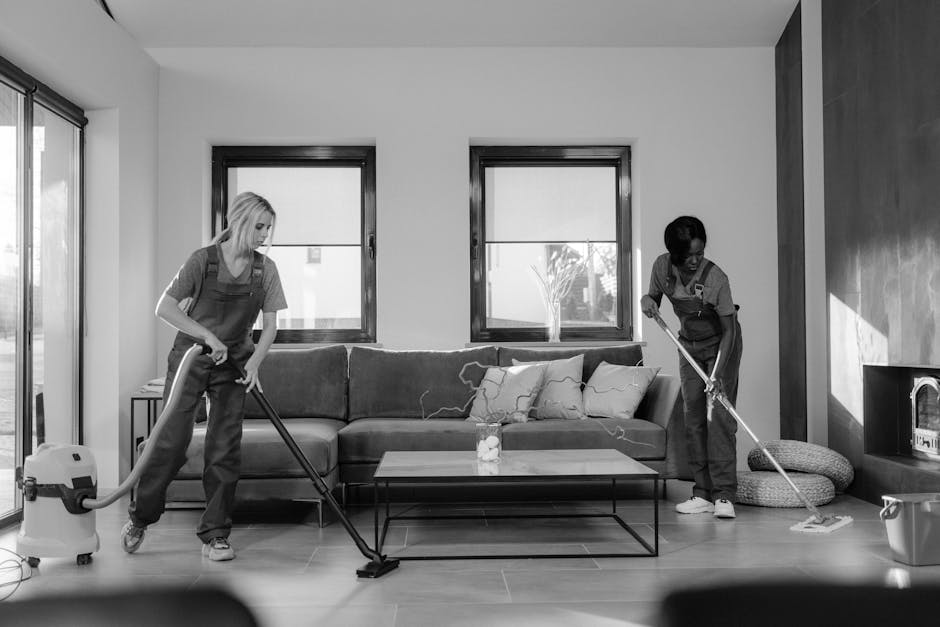
Compare tenancy cleaning quotes what to know before you book
If you are trying to compare tenancy cleaning quotes what to know before you book, you are probably in that awkward stage where the deadline is close, the flat is not quite inspection-ready, and every quote seems to say something slightly different. One company lists a low headline price, another bundles in oven cleaning, and a third leaves you wondering whether the windows, carpets, or skirting boards are actually included. It's messy. And to be fair, that is exactly why comparing properly matters.
This guide walks you through what a fair quote should include, where the hidden costs usually appear, how to judge value rather than just price, and what to check before you confirm a booking. If you want a smoother move-out and fewer surprises, a careful comparison now can save a lot of grief later.
One more thing: a good quote is not just about cost. It is about scope, clarity, and whether the cleaner understands tenancy expectations. That difference really shows when the inventory clerk opens the cupboard under the sink.
Contents
- Why comparing tenancy cleaning quotes matters
- How comparing quotes works in practice
- Key benefits and practical advantages
- Who this is for and when it makes sense
- Step-by-step guidance
- Expert tips for better results
- Common mistakes to avoid
- Tools, resources and recommendations
- Law, compliance, standards, or best practice
- Options, methods, and comparison table
- Case study or real-world example
- Practical checklist
- Conclusion
- Frequently asked questions
Why Compare tenancy cleaning quotes what to know before you book Matters
End of tenancy cleaning sits in a slightly awkward middle ground. It is not the same as weekly domestic cleaning, but it is not always a full restoration clean either. The job usually needs to satisfy a landlord, letting agent, or inventory clerk, which means presentation matters as much as effort. If you book on price alone, you can end up paying twice: once for the cleaner, then again for the follow-up touch-ups when something important was missed.
Comparing quotes properly helps you separate genuine value from cheap-looking offers that are missing half the service. You may notice a quote that seems very low until you read the small print and discover it covers only "general cleaning" rather than the full tenancy clean you expected. That is the trap. It happens all the time.
The main reason this matters is simple: deposits. Most tenants do not want to argue over dust in a wardrobe track or a streaky hob after moving out. A clear, fair quote makes it easier to match the cleaning service to the condition of the property and the expectations of the check-out process. When the quote is transparent, you can budget properly and avoid last-minute panic.
Expert summary: A good tenancy cleaning quote should make the scope obvious, explain any extras clearly, and feel realistic for the size and condition of the property. If it sounds vague, it probably is.
This is also where trust comes in. A professional company should be comfortable explaining what is included, what is excluded, and what could change the final price. If they are fuzzy at the quote stage, they are unlikely to become magically clearer on the day.
How Compare tenancy cleaning quotes what to know before you book Works
Comparing quotes is not just about placing two numbers side by side. It is about comparing like with like. That sounds obvious, but in real life it rarely is. One provider may quote for a one-bedroom flat with oven cleaning included, while another lists the same property size but excludes appliances, carpets, and interior windows. If you do not standardise the details, you are comparing apples with a slightly dirty orange.
The process usually works best when you give each company the same information: property type, number of rooms, approximate condition, whether it is furnished, and any extras such as carpet cleaning, upholstery cleaning, or balcony glass. The cleaner then estimates time, labour, products, and any specialist equipment needed. On that basis, you should get a quote that reflects the real job.
In practice, a quote may be fixed, estimated, or "from" a certain price. Fixed quotes are easier to compare because they set an expected total. Estimated quotes can still be useful, but only if you understand what could move the price. "From" pricing is often a marketing starting point, not the final number. Truth be told, it can be a bit of a tease.
Good providers will also ask follow-up questions. That is not inconvenient. It is a good sign. If a company gives you a number in ten seconds without asking anything about the property, they may not be factoring in the details that matter during an end-of-tenancy inspection.
What a quote should ideally include
- Room-by-room or area-by-area cleaning scope
- Appliances such as oven, extractor, fridge, freezer, or microwave if needed
- Bathroom and kitchen sanitising
- Internal windows, sills, skirting boards, switches, and sockets where relevant
- Floor care, including vacuuming and mopping
- Carpet or upholstery add-ons if required
- Any exclusions or limitations in plain English
If these details are not visible, ask. A sensible company will not mind.
Key Benefits and Practical Advantages
The first benefit of comparing quotes is obvious: better value. But the real advantage is better decision-making. When you know what you are paying for, you can judge whether a cleaning service is actually worth it. Sometimes the cheapest quote is fine for a small, tidy property. Sometimes it is completely wrong for a larger flat with heavy kitchen use and two years of baked-on life around the oven handle.
Another advantage is control. Move-outs already come with enough uncertainty. Comparing quotes gives you a way to control one part of the process. You can choose a company that fits your budget, timing, property condition, and expectations. That feels better than taking the first price because the inventory date is tomorrow and your head is spinning.
There is also a time-saving benefit. A quote that is clear from the start means fewer back-and-forth messages later. You spend less time chasing explanations and more time packing boxes, redirecting post, or trying to find where the kettle ended up. Small mercy, honestly.
Other practical benefits include:
- Fewer surprises on the day because the scope is agreed in advance
- Better deposit protection when the clean matches letting expectations
- More accurate budgeting when add-ons are visible early
- Improved timing because the right team and equipment can be assigned
- Greater confidence in the company's professionalism
One often-missed benefit is comparison quality. Once you start asking structured questions, you quickly learn which companies know their trade and which ones are just firing out generic prices.
Who This Is For and When It Makes Sense
This is relevant for tenants moving out of rented homes, landlords preparing for new occupants, and letting agents looking to arrange a reliable turnaround. It is especially useful if the property has been lived in for a while, if pets were present, or if the kitchen and bathroom need more than a surface wipe.
It also makes sense if you are tight on time. Maybe you have a train to catch on moving day, or you are handing keys back before the removals van has even left. In those moments, booking the first available cleaner can feel tempting. But if you compare quotes first, you are more likely to find a service that actually fits the situation.
You should especially compare carefully when:
- The property is larger than a standard one-bed flat
- There are carpets, rugs, sofas, or mattresses that need attention
- The oven, fridge, or extractor hood is in poor condition
- You need cleaning outside normal working hours
- You are booking at short notice
- The landlord or agent has specific check-out expectations
If the home is already fairly clean and only needs a light refresh, a smaller or more targeted service might be enough. If it has not had a proper deep clean in months, you may need to budget for a more thorough job. No drama there. Just match the service to the real condition.
Step-by-Step Guidance
Here is a practical way to compare tenancy cleaning quotes without getting lost in the jargon.
- List the property details clearly. Include number of bedrooms, bathrooms, flooring types, furnished or unfurnished status, and any problem areas.
- Decide what "clean" means for your booking. Do you need a full end of tenancy clean, or just help with certain rooms or appliances?
- Request quotes from more than one provider. Three is often enough to see the pattern without drowning in admin.
- Make sure each company gets the same information. If one cleaner knows about the oven and another does not, the prices will not be comparable.
- Check what is included. Look for internal windows, bathroom descaling, skirting boards, cupboards, appliances, and floor cleaning.
- Ask about extras. Carpet cleaning, upholstery, balcony glass, mould treatment, or heavy grease removal may cost more.
- Read the booking terms. Cancellation rules, rescheduling, access requirements, and payment timing matter more than people think.
- Check whether the quote is fixed or estimated. If it is estimated, ask what could increase the final amount.
- Compare service quality, not just price. Reviews, insurance, communication, and clarity all belong in the comparison.
- Book only when the scope makes sense. A decent quote should feel understandable, not mysterious.
A useful habit is to copy each quote into a simple notes app or spreadsheet. Keep the same headings for every provider: total price, inclusions, exclusions, add-ons, arrival window, and payment terms. You do not need a fancy system. Just enough structure to stop your brain from melting halfway through.
Quick comparison questions to ask
- Is oven cleaning included?
- Are internal windows part of the standard price?
- Do you clean inside cupboards and drawers?
- Are carpets or upholstery charged separately?
- What happens if the property is more soiled than expected?
- Is the quote fixed or subject to inspection on arrival?
Expert Tips for Better Results
The best quote is not always the cheapest, and the best cleaner is not always the one with the longest list of buzzwords. What matters is fit. After enough move-out cleans, a few patterns become pretty clear.
Tip one: compare the scope in writing. Verbal promises are easy to misunderstand. Written scope keeps everyone honest and reduces "I thought that was included" conversations later.
Tip two: be realistic about condition. If the property has heavy limescale, grease, pet hair, or dust build-up, say so. It is far better to be slightly over-descriptive now than awkwardly underprepared on cleaning day.
Tip three: ask about products and equipment. For example, some jobs benefit from specialist tools for ovens, carpets, or hard floors. A provider offering carpet care or oven cleaning alongside a tenancy clean may be a better fit if the kitchen needs proper attention.
Tip four: check if the company has backup options. If the first appointment runs long or access is delayed, do they have a process for handling it? Not every service does, and that is worth knowing.
Tip five: look beyond sales language. "Premium," "deep," and "professional" are fine words, but they are not a scope of work. The details are where the real value lives.
A small human truth here: most move-out stress comes from uncertainty, not the cleaning itself. When the quote is clear, the whole thing feels easier. Less guessing. Less nagging doubt. More control.
If you are comparing multiple household services around the same move, it can also help to understand related offerings such as deep cleaning or broader domestic cleaning, because the boundaries between them are not always obvious at first glance.
Common Mistakes to Avoid
Some quote mistakes are so common they almost deserve their own warning label.
1. Comparing only the headline price. A lower number can hide reduced scope, limited time on site, or plenty of extras charged later.
2. Forgetting to mention the property condition. A clean but empty flat is a different job from one with food residue, pet odours, or neglected grout.
3. Assuming every company defines "end of tenancy cleaning" the same way. They do not. Not even close, sometimes.
4. Ignoring access details. Parking, lift access, key collection, and entry timing can affect the booking. A cleaner arriving with no parking plan in central London can lose valuable time. That matters.
5. Booking too late. Last-minute cleaning can limit your choices and push prices up. If you can, compare early enough to avoid that squeeze.
6. Not asking about re-cleans or complaints. If the company offers a revisit under certain conditions, understand the process before paying.
7. Forgetting specialist add-ons. Many people assume things like carpet cleaning or appliance cleaning are always included. They often are not.
Another quiet mistake? Letting the quote language sound more polished than the reality. A glossy email is nice. A useful one is better.
Tools, Resources and Recommendations
You do not need specialist software to compare quotes well, but a few simple tools make the process much smoother.
- Notes app or spreadsheet: Keep quote details side by side so you can see differences quickly.
- Photo reference: Take clear pictures of the kitchen, bathroom, carpets, and any problem spots before requesting quotes. That helps avoid vague estimates.
- Room checklist: Walk room by room and note what needs attention: windows, skirting, shelves, tiles, appliances, fixtures, and floors.
- Calendar reminders: Set reminders for booking windows, access arrangements, and key return times.
- Questions list: Prepare the same questions for each provider so your comparison stays fair.
For services that go beyond standard surface cleaning, you might also look at related pages such as carpet cleaning, upholstery cleaning, or window cleaning if those areas are in the property scope. That way, you are not forced to make separate decisions at the last minute.
If you are unsure whether a quote is reasonable, ask the provider to break it down by room or by task. A credible company should be able to explain the main drivers without sounding defensive. If they can't, well, that says something too.
Law, Compliance, Standards, or Best Practice
Tenancy cleaning is not usually about complex regulation, but there are still important best-practice and contract considerations. In the UK, the practical issue is often the tenancy agreement, check-in inventory, and check-out expectations rather than a universal "legal clean" standard. That means you should read the rental paperwork carefully and understand what condition the property is supposed to be returned in.
It is also sensible to make sure the cleaning company operates in a professional, insured, and transparent way. If a provider states that they carry appropriate insurance or has clear information about health and safety, payment, terms, and complaints, that can improve confidence. These details matter more than people realise, especially when cleaners are working around delicate fittings, appliances, or freshly decorated rooms.
Another best-practice point is safety. Cleaning products, ladders, steam equipment, and electrical appliances all need proper handling. If a company mentions its health and safety approach, that is not boring admin. It is exactly what you want to hear. A service page such as health and safety policy or insurance and safety can be a useful sign that the business has thought things through.
From a tenant's point of view, the safest approach is simple: book a service that is clear about scope, honest about limitations, and able to put the important bits in writing. That protects everyone.
Options, Methods, or Comparison Table
Not every quote is built the same way. Here is a straightforward comparison to help you judge the options without overthinking it.
| Quote type | How it works | Best for | Main caution |
|---|---|---|---|
| Fixed quote | One agreed price based on the details you provide | Most tenants who want certainty | Make sure all details were shared accurately |
| Estimated quote | A likely price that may change after inspection or if the job is bigger than described | Properties with unclear condition | Ask what could increase the final cost |
| From-price quote | A starting price that may rise based on rooms, condition, or extras | Quick first look at affordability | Often not the final amount, so read carefully |
| Quote with add-ons | Base clean plus optional services like carpet or oven cleaning | Homes that need targeted extras | Small extras can add up fast |
If you want a service that is broader than tenancy work, some providers also offer one-off cleaning or even deep cleaning. That can be useful where the property needs a reset before handover, but remember: the label is less important than the actual checklist.
Case Study or Real-World Example
Here is a typical real-world scenario. A tenant in a two-bedroom flat receives three quotes. One is very cheap, one is mid-range, and one is higher. At first glance, the cheapest looks best. But when the tenant checks the details, the low quote excludes oven cleaning, fridge cleaning, and internal windows. It also only covers "visible surfaces."
The mid-range quote includes the full kitchen, bathroom, all internal windows, skirting boards, and appliances. The higher quote adds carpet shampooing and same-day availability. Once the tenant compares properly, the cheapest option is no longer the best value. The real choice becomes clear: which package matches the actual condition of the flat and the move-out deadline?
In that situation, the tenant books the mid-range option because the carpets are already in good condition, but the kitchen needs more work. The result is straightforward. The inspection is calmer, the cleaner knows the scope, and there is less back-and-forth after handover. That is the kind of boringly successful move-out everyone secretly wants.
We have seen this pattern often enough that it hardly feels surprising. A quote only becomes useful when it reflects the true job. Until then, it is just a number in an email.
Practical Checklist
Use this before you book.
- Have I described the property accurately?
- Did I include the number of rooms and bathrooms?
- Did I mention carpets, upholstery, or specialist surfaces?
- Did I note any heavy dirt, stains, grease, or limescale?
- Is oven cleaning included or added separately?
- Are internal windows, skirting, and cupboards included?
- Do I know whether the quote is fixed or estimated?
- Have I checked the cancellation and rescheduling terms?
- Do I understand payment timing and accepted methods?
- Have I compared service scope, not just the price?
- Do I know whether parking, key collection, or access will affect the booking?
- Have I asked about any guarantee or re-clean process?
If you can tick most of those off, you are in a much better position than simply choosing the lowest number and hoping for the best. And let's face it, hoping is not a strategy.
Conclusion
When you compare tenancy cleaning quotes carefully, you give yourself a better chance of choosing a service that is fair, transparent, and suited to the property. The real goal is not just to spend less; it is to spend wisely and avoid the stressful surprises that usually show up at the worst possible moment.
Look for clear scope, honest pricing, and practical communication. Ask questions. Check the small print. Match the quote to the actual condition of the home. Once you do that, the booking decision becomes much easier, and the move-out starts to feel manageable again.
Get a free quote today and see how much you can save.
And if you are still weighing up your options, that is fine too. A careful decision now usually pays you back in peace of mind later. Nice and simple.
Frequently Asked Questions
What should be included in a tenancy cleaning quote?
A solid quote should clearly list the rooms and tasks included, such as kitchen and bathroom cleaning, internal windows, cupboards, skirting boards, floors, and appliances if relevant. If something matters to your check-out, it should be visible in writing.
Is the cheapest tenancy cleaning quote always the best option?
Not usually. A cheap quote can be fine, but only if the scope is comparable. If the lowest price excludes key tasks, it may cost more later once you add the missing services.
How many quotes should I compare before booking?
Three quotes is a sensible starting point for most people. That is usually enough to spot a realistic price range without turning the process into a part-time job.
Should I ask for a fixed price or an estimate?
Fixed prices are easier to budget around, so they are often preferable. Estimates can still work well, but only if the provider explains what could change the final bill.
Do tenancy cleaning quotes include oven cleaning?
Sometimes yes, sometimes no. Oven cleaning is one of the most common exclusions or add-ons, so always check rather than assuming it is included.
Can a quote change after the cleaner arrives?
It can, if the job is larger or more difficult than described. That is why accurate information up front matters. Photos and honest descriptions help keep the quote stable.
What details should I give when requesting quotes?
Include the property size, number of bathrooms, whether it is furnished, the condition of the kitchen and bathroom, and any extras like carpets, upholstery, or balcony glass. The more accurate the information, the better the quote.
Are carpets usually included in tenancy cleaning?
Not always. Some companies include vacuuming as standard but charge separately for carpet shampooing or deep carpet cleaning. Always ask for clarification if carpets are important to the handover.
What if my landlord or agent wants a very specific standard?
Share those expectations with the cleaner before booking. If the provider can align the scope with the inventory requirements, you reduce the risk of a disagreement at check-out.
Is it better to book early or wait until move-out day?
Book early if you can. You will usually get more choice, better pricing, and less stress. Leaving it late often means fewer slots and less room to compare properly.
Should I choose a company that offers a re-clean guarantee?
If the terms are clear, a re-clean arrangement can add reassurance. Just read the conditions carefully so you understand what is covered and what evidence may be needed.
How do I know if a quote is too vague to trust?
If it gives you only a price with no task list, no exclusions, and no explanation of extras, it is too vague. A professional quote should help you understand exactly what you are paying for.